
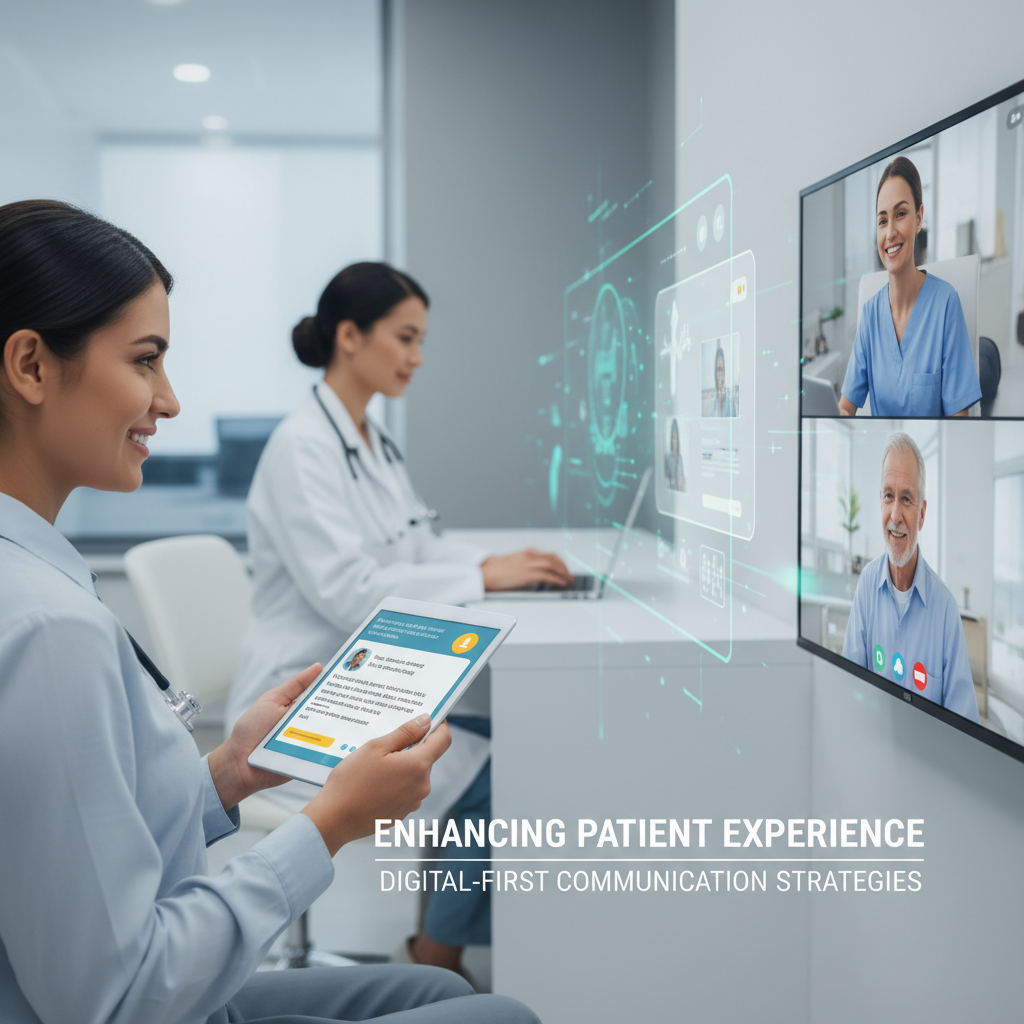
Enhancing Patient Experience with Digital-First Communication Strategies
If you’re a clinic manager, practice owner, or healthcare marketer frustrated with missed appointments, low patient engagement, and referral stagnation, you’re not alone — many providers feel like they’re juggling phones, paper charts, and five different apps. Our approach simplifies communication with one clear plan that reduces no-shows, boosts satisfaction, and supports measurable medical practice growth through smart digital channels.
How does digital communication improve patient experience?
Short answer: by meeting patients where they already are. Patients expect fast, convenient interactions — not hold music. Digital-first communication replaces friction with clarity: timely appointment reminders, simple intake forms, and follow-up messages that feel human. I’ve noticed practices that adopt concise, consistent messaging see fewer scheduling errors and calmer front desks. It’s not magic, it’s better workflow. And patients notice.
Why this matters for your bottom line
Better patient experience equals higher retention, more referrals, and steady revenue. A calmer front desk means staff can focus on care, not firefighting. And this kind of operational efficiency supports long-term medical practice growth without spending an arm and a leg on advertising.
What are the core elements of a digital-first patient communication strategy?
Think of the strategy as five essential parts. Each one contributes to patient engagement and overall experience.
- Unified messaging platform – Centralize texts, emails, and secure messages so nothing falls through the cracks.
- Automated appointment workflows – Confirmations, reminders, and easy rescheduling links cut no-shows.
- Onboarding and intake digitization – Mobile-friendly forms save time on the day of visit.
- Personalized follow-up – Post-visit messages with care instructions, survey links, and next steps.
- Analytics and continuous improvement – Track what works, then iterate.
Which channels actually move the needle?
Text messaging, email, and in-portal secure messaging are the heavy hitters. Social and paid channels feed awareness, but the patient experience is shaped by direct communication. So focus on channels that reduce friction and increase clarity. Simple rule: preference first, convenience second. Ask the patient how they’d like to be contacted, then honor it.
How do you implement a digital-first plan step-by-step?
Here’s a practical 6-step rollout you can follow. It’s doable, even if your team is small.
- Audit current touchpoints – Map every interaction from online booking to discharge. You’ll often find 11 places where messages fail to align.
- Pick a platform and consolidate – Choose one system for reminders and two-way messaging (integrated with your EHR if possible).
- Create standardized templates – Keep language simple, compassionate, and action-driven. Example: “Hi Sarah – this is Clinic X confirming your 2:00 PM on April 7. Reply 1 to confirm, 2 to reschedule.”
- Automate smartly – Set confirmation reminders at 7 days, 48 hours, and 6 hours, with cancel/reschedule links.
- Train staff – Run two 90-minute sessions: one for front desk, one for providers. Real practice matters.
- Measure and refine – Use the metrics below and adjust messaging or timing based on what the data shows.
Practical tips while you launch
Don’t try to do everything at once. Start with high-impact fixes: intake forms and appointment reminders. So here’s the thing – patients will forgive imperfect tech if the communication is clear and timely. The opposite is not true: perfect tech with confusing messages still frustrates people.
What metrics should you track to prove ROI?
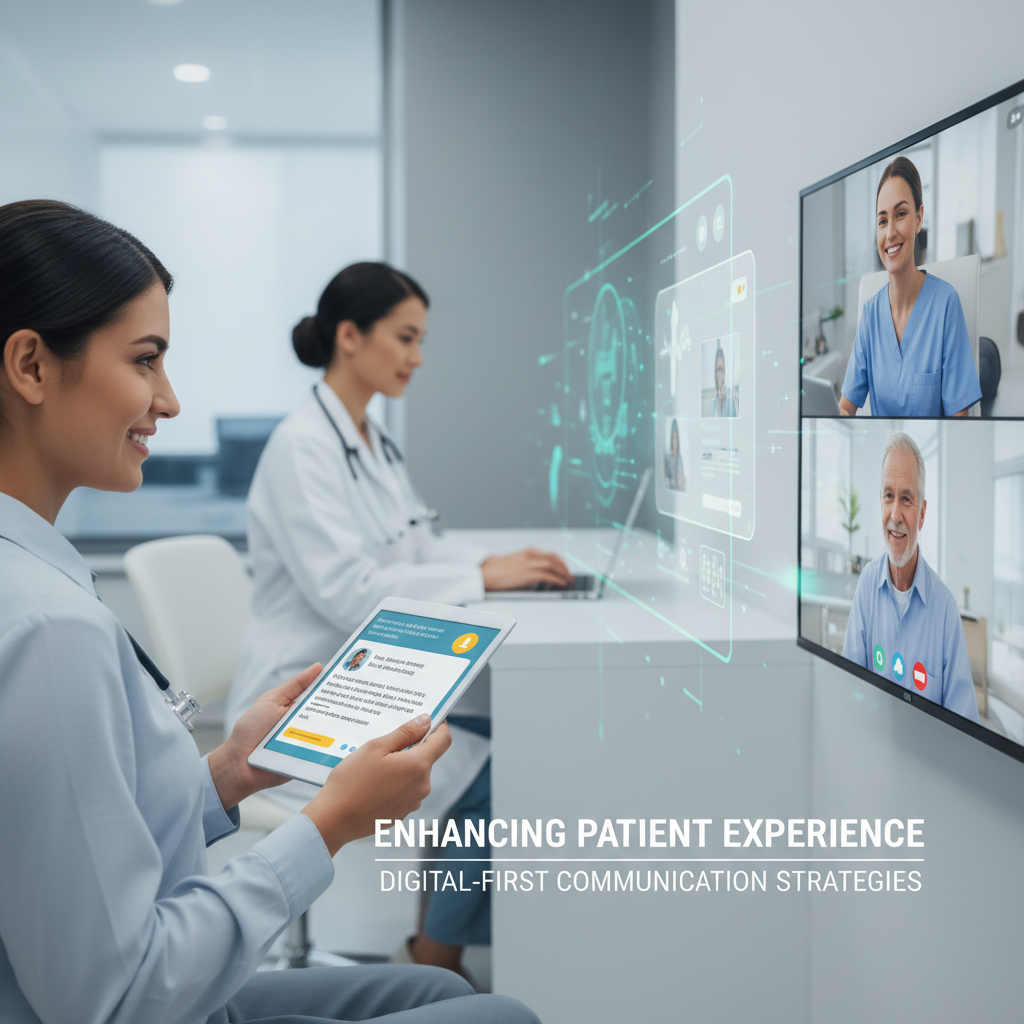
Track five core metrics to evaluate patient engagement and healthcare marketing effectiveness.
- No-show rate – Aim for a clear decline after automation is active.
- Appointment confirmation rate – This tells you if your reminders are being seen and acted on.
- Patient satisfaction (NPS or simple survey) – One question can reveal a lot: “Would you recommend us?”
- Digital intake completion rate – Higher is better; unfinished forms add minutes to visits.
- Referral or retention rate – Are patients returning or sending others?
In my experience, a clear automated workflow can reduce no-shows by 28% and increase intake completion to over 90% within three months. Results vary, of course, but those gains are realistic.
How do you keep messages HIPAA-compliant without annoying patients?
Use secure messaging for clinical content and short texts for administrative items. Consent matters: get opt-in for texts and explain what types of messages patients will receive. Train staff to avoid clinical details in plain SMS; link to a secure portal instead. Simple protocol: administrative by SMS, clinical by portal. That’s been a lifesaver in practices I’ve helped.
What are common pitfalls and how to avoid them?
There are predictable mistakes that slow progress. Avoid these.
- Over-automation – Too many messages make patients tune out. Keep it crisp and valuable.
- Inconsistent voice – Templates that sound robotic damage trust. Personalize at least one line.
- Poor data hygiene – Wrong numbers and outdated emails are worse than no message. Clean your lists quarterly.
- No measurement loop – If you don’t track outcomes, you won’t know what’s working. Track and adapt weekly for the first 90 days.
How does digital communication support healthcare marketing and practice growth?
Digital communication amplifies marketing by turning single interactions into loyalty. Good messaging increases lifetime patient value and referrals. For example, a follow-up message asking for a review with a direct link will generate more authentic reviews than an email buried in a crowded inbox. Marketing isn’t just acquisition anymore, it’s retention and experience. Think full funnel, not just top of funnel.
Specific tactics that drive growth
- Post-visit surveys with a CTA for reviews, sent within 24 hours
- Automated welcome series for new patients, highlighting services and how to book
- Targeted reactivation messages to patients who haven’t been seen in 12 months
- Referral incentives communicated clearly and simply
Real-world example (short case)
Clinic X had a chaotic front desk, 18% no-show rate, and low post-visit survey responses. We implemented unified messaging, two automated reminders, and mobile intake forms. Within 90 days, no-shows dropped to 11%, intake completion rose to 92%, and the clinic saw a steady 7% uptick in monthly new patient referrals. Small changes. Big effect. The staff were relieved. Patients reported feeling more cared for. That’s the point.
How much should you expect to invest?
Costs vary by platform and volume. Budget line-items: platform subscription, integration with EHR, initial setup and templates, and training. Many small practices recoup costs within 3 to 9 months through reduced no-shows and improved throughput. If budgets are tight, prioritize reminders and digital intake first. They give the fastest return.
How to choose the right vendor
Pick a vendor that integrates with your EHR, offers two-way messaging, and has clear reporting. Ask for references and a 30-day pilot. And test the support—response time matters when patients are waiting. Don’t get dazzled by features you won’t use; look for simplicity and reliability. Honestly, it’s like choosing between a Ferrari and a bicycle if you’re not honest about what you actually need.
Next steps — a simple 30-day plan
Here’s a compact implementation timeline you can hit fast.
- Week 1: Audit touchpoints and pick a vendor.
- Week 2: Build templates and set up automated reminders.
- Week 3: Pilot with one provider and collect feedback.
- Week 4: Train staff and roll out practice-wide; start tracking metrics.
Simple, focused, and measurable. You’ll make mistakes. That’s fine. Fix them quickly and move on.
Frequently Asked Questions
How quickly will patients adapt to digital communication?
Most patients adapt within days if messages are clear and the call to action is simple. Older patients sometimes need one phone call from staff to opt-in and explain the portal. In my experience, about 75% of a typical panel will accept SMS or email within two weeks when asked directly.
Can automated messages ever feel personal?
Yes. Use the patient’s name, reference the provider, and keep tone conversational. One personalized line in a template makes automation feel human. Trust me, it works better than long, formal language that sounds like a robot wrote it.
What should I ask my EHR vendor about integrations?
Ask if they support two-way messaging, real-time scheduling updates, and secure intake forms. Also confirm how they handle consent and message logging for compliance. Integration depth saves hours every week.
Will digital-first communication reduce staff workload?
Usually yes. Automation removes repetitive tasks, so staff can focus on complex calls and patient care. But you’ll need an initial time investment for setup and training. The payoff comes quickly — fewer manual confirmations, fewer calls, and a calmer workflow.
What’s the easiest first step for a small practice?
Start with appointment reminders and mobile intake forms. They require minimal setup and deliver fast wins: fewer no-shows, shorter front desk lines, and happier patients.
If this feels overwhelming, our team can handle the rollout, from platform selection to staff training, so you can focus on care. Want a short checklist tailored to your practice? I can build one for you.
CEO/Jack of all trades master of none! The Daily SEM
Father of 4 awesome kids! Trying to survive!
Don’t get bogged down by the bells and whistles out there.
His #1 online business pick for 2023 and beyond to grow your own 6/7-figure business getting results now for clients vs later. Learn more here
