
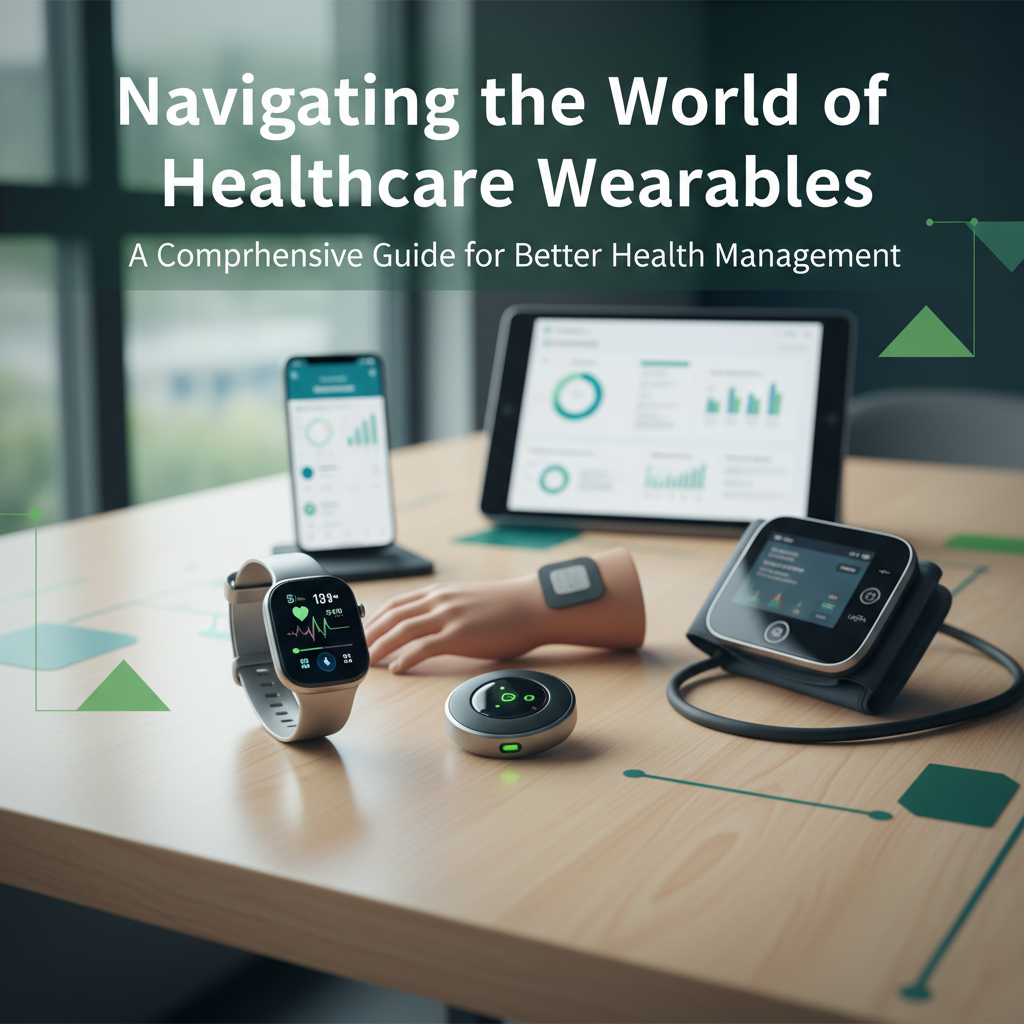
If you’re a clinician, care manager, or someone juggling a chronic condition and you’re tired of guessing which device actually helps, this guide is for you — because sifting through the noise of devices, data, and apps is frustrating, and it can feel risky to adopt the wrong solution. This guide cuts through the hype and shows clear, practical ways healthcare wearables help with health management, how to choose the right fitness trackers or smartwatches, and how to make remote patient monitoring actually useful for patients and providers (and yes, our team can help set up the technical bits if you don’t want to DIY).
Top 9 ways to use healthcare wearables for better health management
1. Continuous vital-sign tracking for early intervention
Wearables that measure heart rate, oxygen saturation, respiratory rate and temperature can flag problems before patients call. Start by defining thresholds for alerts, then route those alerts to a nurse or care coordinator. From what I’ve seen, a single well-configured alert pathway reduces unnecessary ER visits – patients get proactive outreach instead of panicking at 2 a.m.
2. Remote patient monitoring for chronic disease control
Use wearables to monitor BP, glucose (when supported), or activity for diabetes, hypertension, and heart failure. Pair devices with care plans: automated reminders, periodic clinician reviews, and rapid care escalation rules. This isn’t just tech for tech’s sake – it changes behavior if the workflow is clear.
3. Medication adherence and reminder systems
Some wearables integrate with med-reminder apps or vibrate at dosing times (smartwatch vibration works great). Combine reminders with adherence reporting so clinicians see patterns — missed doses often predict deterioration, and you can intervene earlier.
4. Rehab, mobility and post-op recovery monitoring
Accelerometers in fitness trackers track step count, gait, and range-of-motion (basic metrics, yes, but powerful). Use objective activity data to tailor PT sessions, detect complications, and encourage patients — especially after surgery when mobility matters most.
5. Detecting arrhythmias and AFib screening
Smartwatches with ECG or PPG-based algorithms can detect irregular rhythms. They’re not a diagnostic substitute, but they’re great for screening high-risk patients. The workflow: confirm alerts with a diagnostic ECG and document follow-up care.
6. Behavior change through personalized coaching
Fitness trackers give continuous feedback — steps, sleep, activity intensity. That nudge matters. Set patient-specific goals (not generic ones), schedule brief coaching calls, and use the device data to celebrate wins. Small victories add up.
7. Population health and remote clinical trials
Wearables let you collect standardized metrics across hundreds of participants without clinic visits. For population programs, focus on enrollment simplicity, battery life, and data security. My recommendation: pilot with 50 people first, refine, then scale.
8. Integrating wearables into EHRs and care workflows
Raw data is useless if it’s buried in charts. Push summary metrics and actionable alerts into the EHR and into the care team’s inbox. Create protocols so staff know who reviews data, and how often. That reduces alert fatigue and keeps clinicians focused.
9. Privacy, consent and device governance
Consent forms, data retention policies and vendor risk assessments are must-haves. Patients want control over data sharing (rightly). Build a document that explains what’s shared, who sees it, and how long it’s stored — plain language wins.
How do healthcare wearables work?
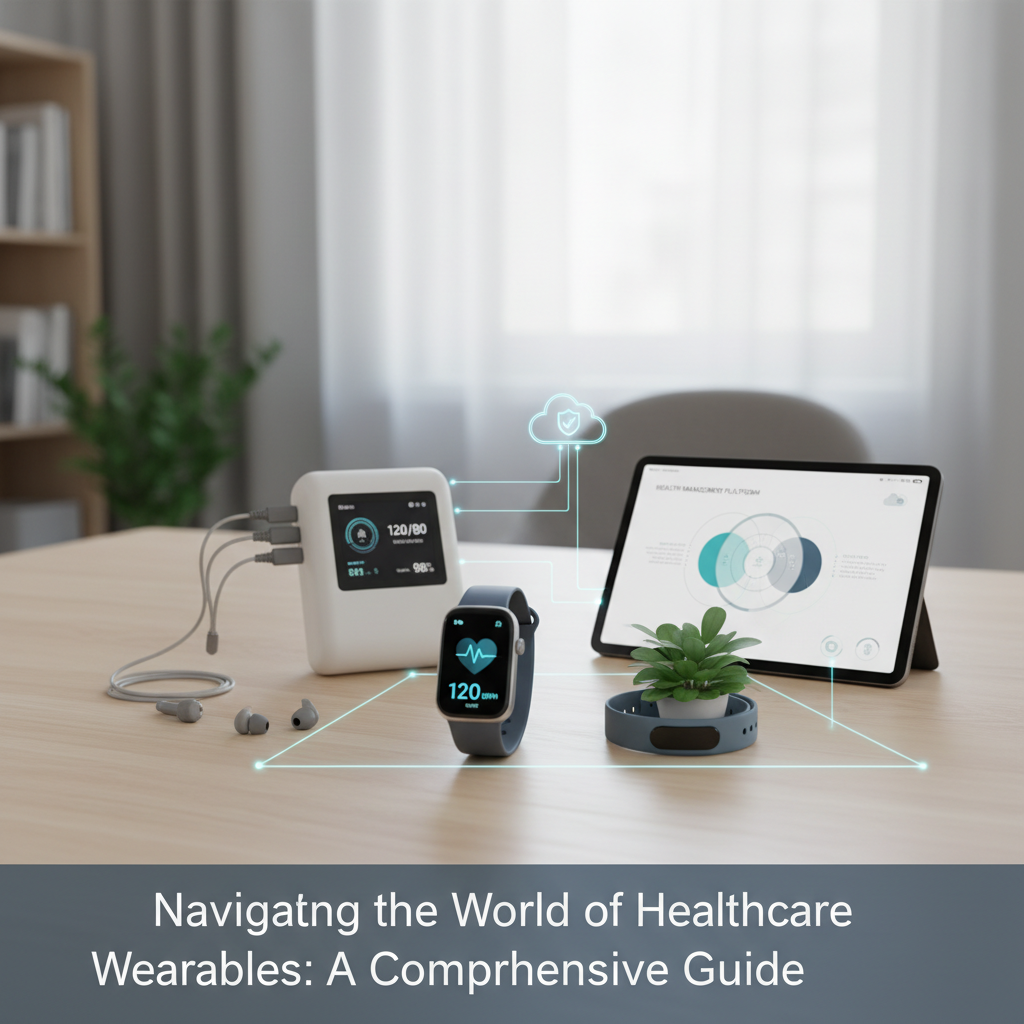
Wearables use sensors (PPG, ECG, accelerometers, pulse oximetry) to capture physiologic and activity signals, then send data to an app or cloud service for analysis. Algorithms turn raw signals into trends, alerts, and notifications. The tech stack includes the device, mobile app, cloud analytics, and integration with clinical systems – so it’s both hardware and software, working together.
Fitness trackers vs smartwatches – which should you pick?
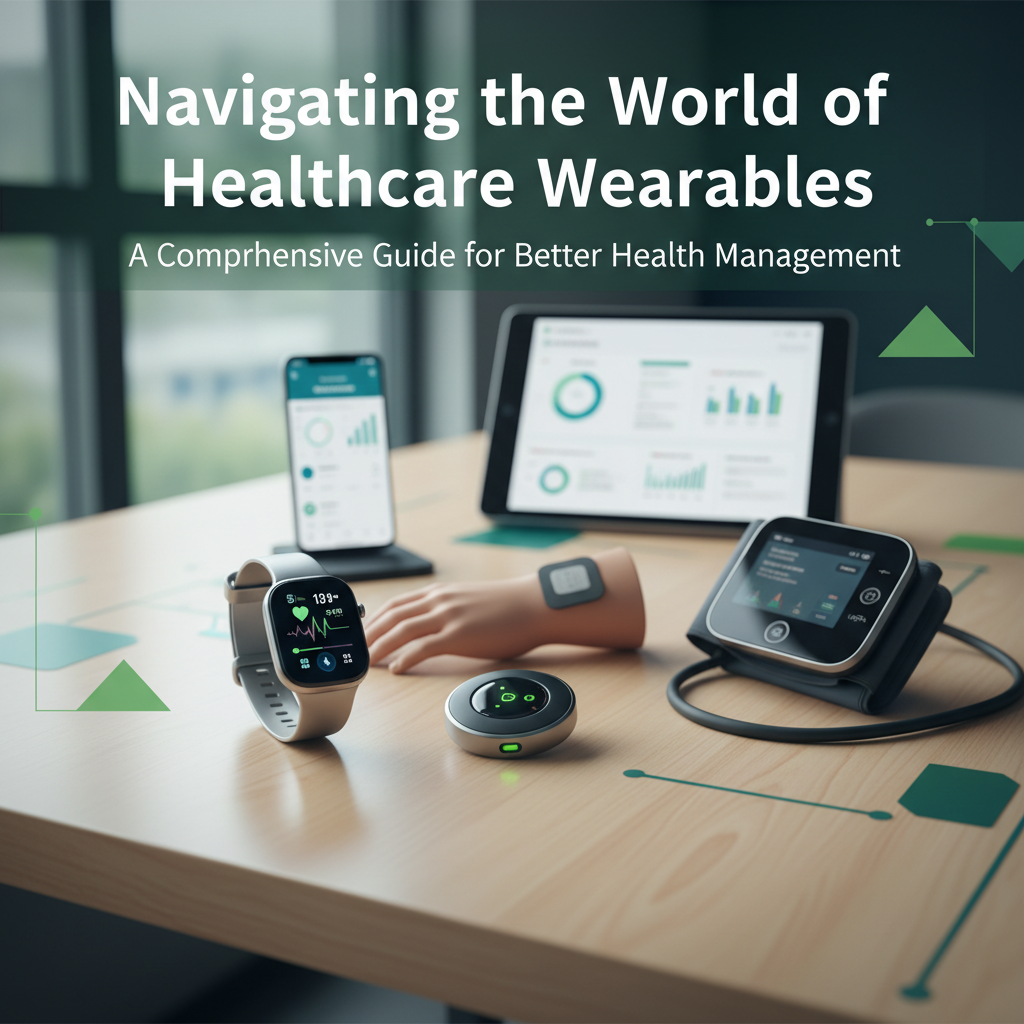
Fitness trackers are light, longer battery life, and focus on steps, sleep and basic heart rate. Smartwatches add apps, on-device ECGs, and richer notifications. Choose trackers for long-term, low-cost monitoring; choose smartwatches when you need medical-grade sensors or real-time clinician alerts. If you want a single-device program, smartwatches often provide more clinical-grade features, but they cost more and need charging more often.
Can wearables be used for remote patient monitoring?
Yes. Make it work by following three simple steps: 1) Define clinical goals and which metrics matter, 2) Select devices that measure those metrics reliably, and 3) Build workflows for data review and escalation. Also, test patient onboarding (it’s the real barrier). If this feels overwhelming, our team can help with device selection, integration, and staff training so the program launches smoothly.
Frequently Asked Questions
Are healthcare wearables accurate enough for clinical decisions?
Many devices are accurate for trends and screening, but not every device is diagnostic. Use wearables for monitoring and alerts, then confirm important findings with clinical-grade tests. If accuracy is essential, choose devices validated in peer-reviewed studies and used in clinical settings.
Will wearables drain phone batteries or be hard for older adults to use?
Some apps use more battery, yes, but many devices sync periodically to reduce drain. For older adults, choose devices with simple interfaces, large fonts, and offer in-person or phone onboarding. Training matters more than the device itself.
How do I handle data overload and false alarms?
Set thresholds and summary dashboards, not continuous raw streams. Route only clinically actionable alerts to staff. Start with conservative alert settings and tighten them after reviewing false positives for 30-60 days.
Can wearables help with reimbursement or lowering costs?
Remote monitoring programs can reduce readmissions and unnecessary visits, and many payers support reimbursement for RPM services. Track outcomes and costs during a pilot so you can demonstrate ROI before scaling.
What’s the best first step for a clinic starting with wearables?
Pick a single patient group (heart failure, diabetes, post-op), run a 3-month pilot with 30-50 patients, measure engagement and outcomes, then iterate. Quick pilots show feasibility and surface workflow problems early.

CEO/Jack of all trades master of none! The Daily SEM
Father of 4 awesome kids! Trying to survive!
Don’t get bogged down by the bells and whistles out there.
His #1 online business pick for 2023 and beyond to grow your own 6/7-figure business getting results now for clients vs later. Learn more here
