
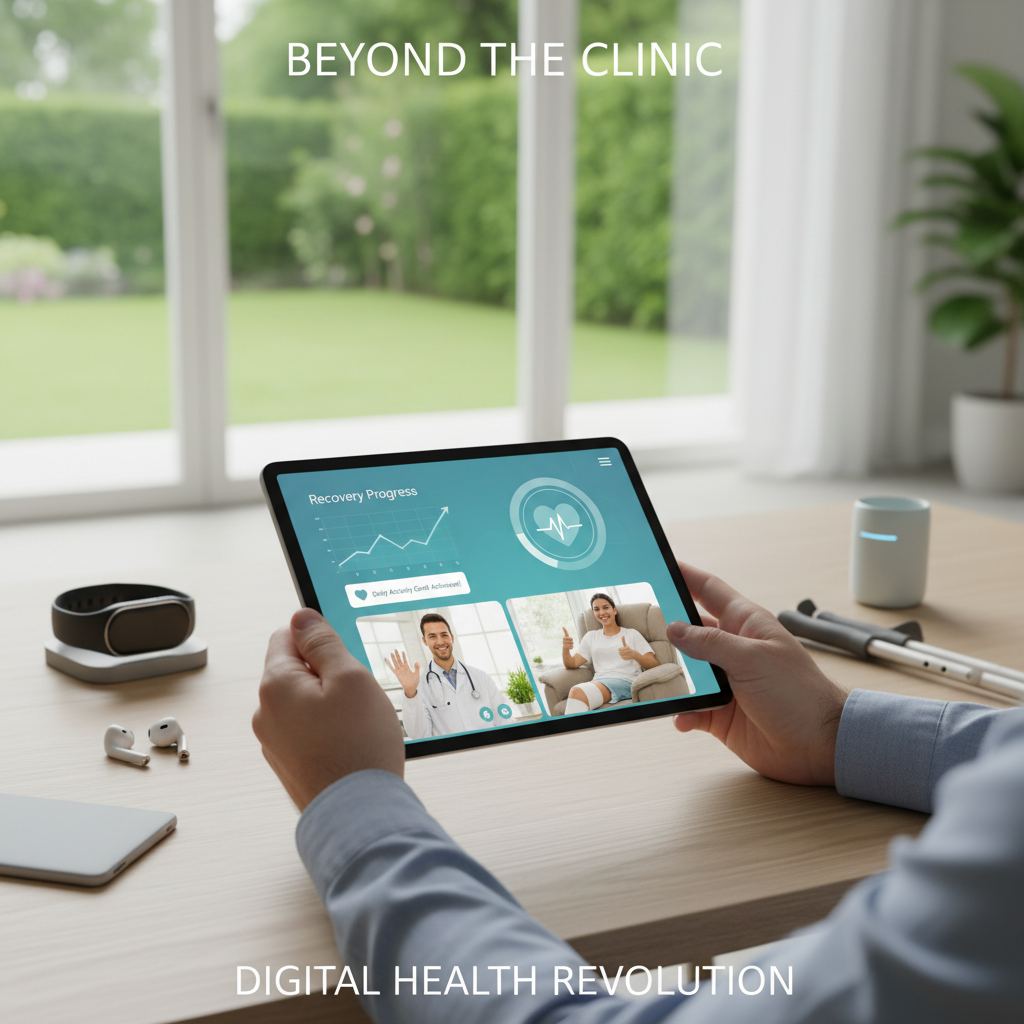
Who this is for, what keeps you up at night, and how we help
This is for surgeons, discharge planners, home health teams, and patients who worry about complications, medication errors, and unexpected readmissions after surgery. You’re frustrated by gaps in follow-up, anxious about patients who live far away, and tired of chasing fragmented notes and intermittent phone check-ins. Our team helps by combining clinical workflows with proven digital health tools, so patients get continuous support, clinicians get actionable alerts, and everyone spends less time playing catch-up.
What is digital health in post-surgery recovery?
Digital health for post-surgery recovery uses software, devices, and connectivity to track a patient’s progress after they leave the hospital. Think mobile apps for pain and wound photos, wearables that count steps and detect heart rate trends, and remote monitoring platforms that feed data to care teams in near real-time. It’s health tech applied to recovery, not just telemedicine for check-ups.
From what I’ve seen, the simplest programs that work best combine at least three elements: active monitoring (vitals, activity), symptom reporting (pain, nausea), and scheduled touchpoints (telehealth visits or messaging). Simple, but powerful.
How does remote monitoring improve post-surgery recovery outcomes?
Why does it matter? Because most complications start subtly, before patients realize something is wrong. Remote monitoring catches trends early.
- Early detection of infection – wound photos and temperature alerts flag issues before they become severe.
- Medication adherence – reminders and digital check-ins reduce missed doses and opioid overuse.
- Mobility and DVT prevention – step counts and activity goals encourage safe ambulation, and clinicians can intervene if activity drops.
- Reduced readmissions – several programs report 20 to 30 percent fewer readmissions when remote monitoring is combined with proactive outreach.
And there's a bonus: patients feel safer. That peace of mind improves satisfaction scores, which matters to hospitals and surgeons alike.
How do alerts and escalation work?
Platforms deduplicate data and present only clinically relevant alerts to nurses or case managers. So instead of getting 500 meaningless messages, the team sees 5 high-priority alerts: fever over 100.4F, wound photo flagged for concern, oxygen saturation below 92 percent, etc. The escalation path is pre-defined – message patient, schedule video visit, dispatch home health, or direct ED referral. Clear rules. Faster interventions. Fewer surprises.
How does telehealth fit into follow-up care after surgery?
Telehealth provides the human interaction that data alone can’t. Video visits are ideal for visual assessments (wounds, incisions), medication reconciliation, and gait checks. Messaging and asynchronous communication are perfect for quick symptom updates and sharing photos.
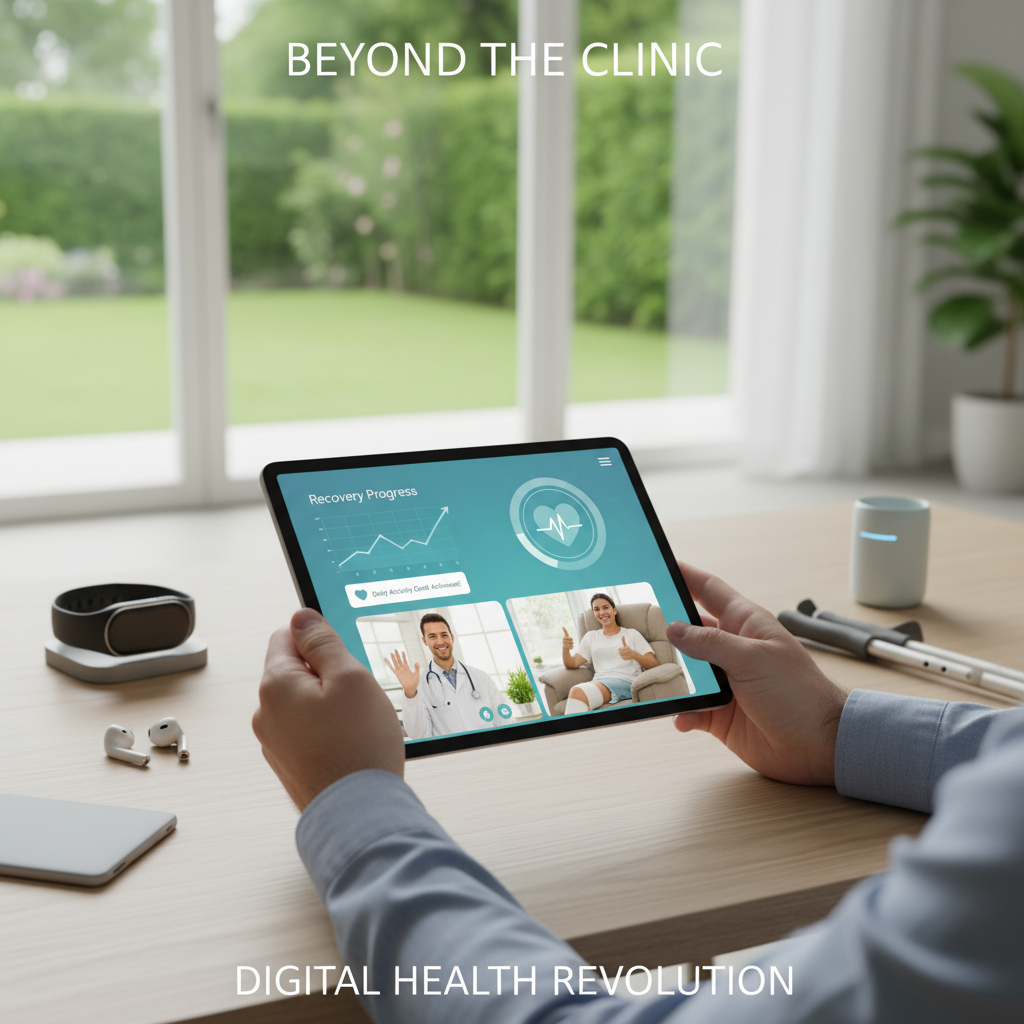
Now, pick the right channel for the right problem. Video for wound review. Messaging for a shot of morphine-related nausea. Phone call for slower, complex conversations. Using them together is the point.
What’s the workflow for a telehealth follow-up?
Schedule a virtual visit within 48 to 72 hours of discharge, then at 7 and 14 days if risk is higher. Use an intake checklist (pain score, fever, bleeding, wound photo, meds) to standardize the visit. That checklist reduces variation, and from my experience, makes triage decisions faster and more defensible.
What are the best recovery tools patients and clinicians should consider?
There’s no single perfect app, but the best recovery toolkits share these features:
- HIPAA-compliant messaging and photo uploads
- Automated vitals capture (Bluetooth BP cuffs, pulse oximeters) or easy manual entry
- Activity tracking and goal-setting (step targets tied to recovery milestones)
- Medication reminders with adherence logs
- Integration with the EHR or exportable reports for the care team
- Multilingual support and easy onboarding for older adults
Examples you’ll hear about: digital therapeutics for pain reduction, remote patient monitoring (RPM) platforms that bill under codes for RPM, and apps that pair with wearable sensors. Pick tools that fit the clinical need, not the other way around.
How to implement digital health for post-surgery recovery – step by step
Implementation is the hard part, but it’s doable. Here’s a practical roadmap I use with clients.
- Assess risk – identify which procedures or patients benefit most (e.g., joint replacements, CABG, high-risk elderly).
- Define outcomes – readmission rate, ED visits, patient satisfaction, opioid use reduction.
- Choose a platform – prioritize integration, usability, and vendor support.
- Design the workflow – define monitoring parameters, alert thresholds, and escalation roles.
- Pilot with 50 to 100 patients – small sample, tight feedback loop, iterate fast.
- Scale – document SOPs, train staff, and align billing (RPM codes where applicable).
Our clients often ask how long this takes. Realistically, you can spin up a pilot in 4 to 6 weeks if you have clinical champions and IT support. We can help set that up, train your nurses, and build the escalation algorithms so you don’t have to start from scratch.
Are digital recovery tools safe and effective?
Short answer: yes, when implemented thoughtfully. There’s growing evidence that remote monitoring and telehealth reduce complications and improve patient experience. But safety hinges on policies, training, and data governance.
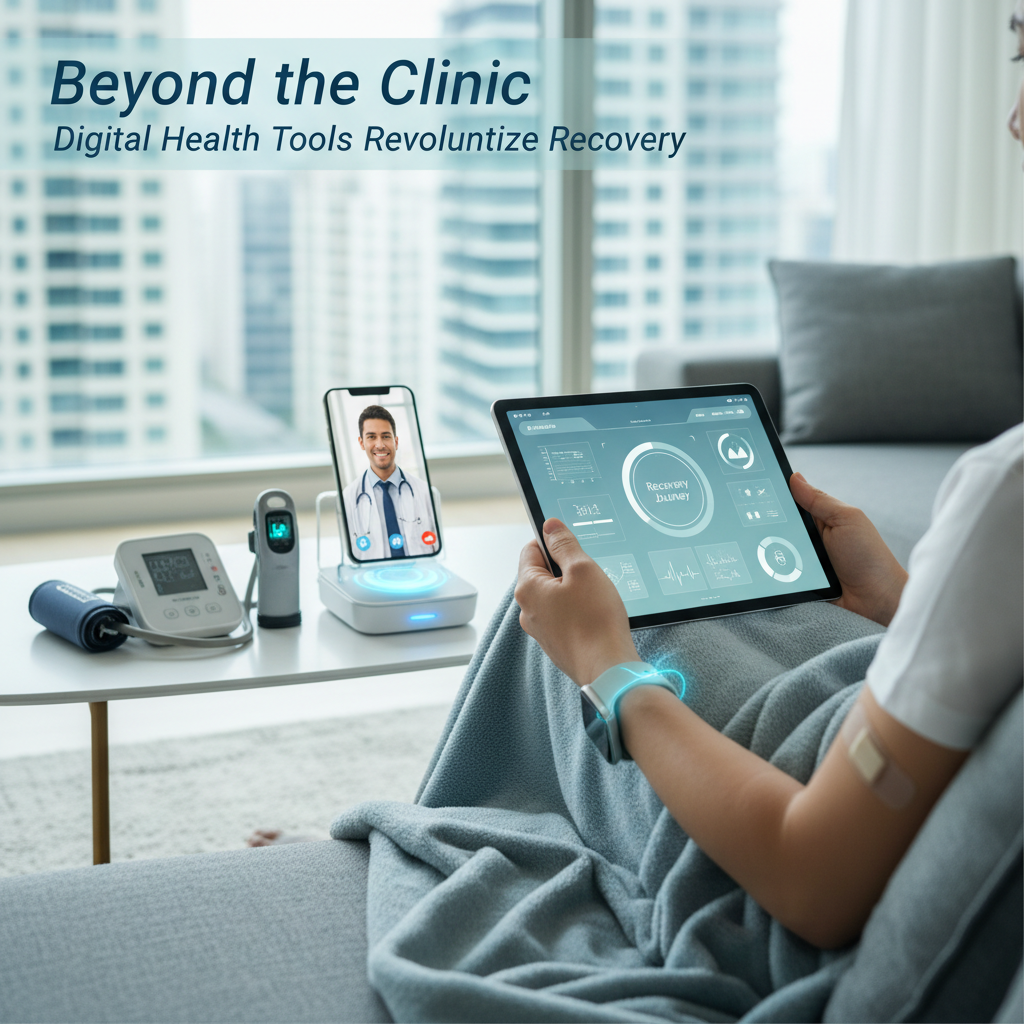
Look for devices that are FDA-cleared when measuring clinical vitals, and platforms that follow HIPAA and data security best practices. Then train staff to trust but verify – use photos and vitals as triggers for clinical assessment, not the final decision.
Common barriers and how to overcome them
There are real barriers. Tech literacy, broadband access, clinician bandwidth, and reimbursement are common blockers.
Solutions are practical: provide simple device set-up guides, offer loaner hotspots for patients with poor internet, automate low-value tasks so clinicians see only actionable alerts, and use RPM billing to offset costs. In my experience, starting with a targeted high-risk group helps you prove value before broad rollout.
Frequently Asked Questions
What outcomes should hospitals expect from a digital post-surgery program?
Expect fewer readmissions, faster recognition of complications, higher patient satisfaction, and better medication adherence. Many programs measure a 20 to 30 percent reduction in avoidable readmissions in the first year, though results vary by population and fidelity of the program.
How do you ensure patients actually use the tools?
Human-centered onboarding matters. Short video tutorials, a phone call within 24 hours of discharge to walk through the app, and family caregiver access increase engagement. Incentives like clear recovery milestones and gamified step goals help too.
Can small practices afford this tech?
Yes. There are scaled options from simple texting platforms to full-featured RPM suites. Start small: automated check-ins plus a nurse triage line can deliver big value without a large upfront investment. And remember, RPM reimbursement helps offset per-patient costs.
What should clinicians watch for in vendor contracts?
Look for transparent pricing, data ownership clauses, interoperability promises, and clear SLAs for uptime and support. Ask for references in post-op programs and a roadmap for future feature updates.
Wrap-up and next steps
Digital health isn't a band-aid, it's a new way to manage recovery – more proactive, more data-driven, and more patient-friendly. The best programs combine intuitive recovery tools, remote monitoring, and telehealth with clear escalation plans so clinicians can focus on care, not data overload.
If you're unsure where to start, our team can run a readiness assessment, pilot the right tools with 50 patients, and help you measure impact within 90 days. No fluff, just practical steps to improve outcomes and reduce stress for patients and clinicians alike.

CEO/Jack of all trades master of none! The Daily SEM
Father of 4 awesome kids! Trying to survive!
Don't get bogged down by the bells and whistles out there.
His #1 online business pick for 2023 and beyond to grow your own 6/7-figure business getting results now for clients vs later. Learn more here
