

This is for people who’ve just had a hip replacement (or are about to) and the caregivers who help them — you’re worried about pain, falling, delayed mobility, and whether you’ll ever feel “normal” again. You’re also overwhelmed by conflicting advice: when to walk, what exercises are safe, how long rehab takes, and how to manage pain without getting addicted to meds. Our clinic helps hundreds of patients each year navigate the recovery and rehabilitation process with clear, evidence-based plans and practical at-home strategies — so you can regain mobility faster and safer, without guesswork.
How long does hip replacement recovery take?
Short answer: most people see big improvements by 6 to 12 weeks, but full healing and maximum strength often take 6 to 12 months. That’s not just fluff; bone and soft tissue remodel slowly, and muscles need time to adapt to the new joint.
Week-by-week, here’s a typical timeline (based on what I see clinically):
First 24–72 hours: Pain is highest but controllable (nerve blocks, IV meds, oral analgesics). You’ll work on simple mobility — sitting up, standing, short walks with a walker or crutches.
Weeks 1–2: You go home (often the same day or next day). Focus is on walking safely, breathing exercises, wound care, and preventing blood clots.
Weeks 3–6: You usually shift from a walker to a cane (timeline varies). Physical therapy intensifies — range-of-motion and basic strengthening.
Weeks 6–12: Most patients return to light activities and many drive again (see FAQ). Strength and balance improve substantially with ongoing rehab.
3–12 months: Ongoing strength gains, reduced stiffness, and most people return to their preferred low-impact activities (walking, swimming, cycling). Some high-impact sports are discouraged.
What should I expect immediately after surgery?
Soon after surgery you’ll be in recovery for observation, then the floor. They’ll teach you hip precautions if you had a posterior approach (some surgeons still use them; others don’t). Expect physical therapy the same day or next day — yes, it’s uncomfortable, but early movement prevents complications and speeds healing.
Pain management includes multimodal strategies: local anesthetic, oral meds (acetaminophen, NSAIDs), sometimes a short opioid course, and ice. Use medications exactly as prescribed (don’t cut corners), and taper quickly when pain allows.
What exercises should I do after hip replacement?
Start with gentle, functional movements — and be consistent. Do these multiple times daily (short sets are better than one long session).
Common early exercises I prescribe:
1) Ankle pumps: 30 repetitions every hour while awake (helps prevent clots).
2) Glute squeezes (bridging prep): 10–15 reps, 3 times a day (activate the butt — critical for hip stability).
3) Heel slides: Slide your heel toward your butt while lying down, then slowly straighten; 10–15 reps.
4) Quad sets: Tighten thigh muscle, hold 5 seconds, relax; 10–15 reps.
5) Standing knee bends and hip abduction (side leg raises): once balance improves, start 10–15 reps, 2–3 times daily.
As you progress, physical therapy adds resistance bands, step-ups, single-leg balance, and functional tasks (stairs, sit-to-stand). Why? Because restoring everyday movement is the rehab goal — not just random gym moves.
When should I start formal physical therapy?
Usually within the first week after discharge, though some start inpatient PT the same day. Early PT reduces stiffness, restores gait mechanics, and teaches safe techniques (how to sit, bend, get in/out of bed or car). From what I’ve seen, patients who start PT within 7 days achieve milestones faster than those who delay.
How is pain managed after hip replacement?
Pain management is multimodal — which means using several methods at once to reduce reliance on opioids. Expect a combination of:
– Local anesthesia or nerve block during surgery (gives strong relief for 24–48 hours).
– Scheduled acetaminophen and NSAIDs (unless contraindicated).
– A short, closely monitored opioid prescription for breakthrough pain (we try to taper within 1–2 weeks).
– Ice packs, elevation, and rest for the incision site.
Non-drug strategies matter too: guided breathing, sleep hygiene, and gentle movement (movement = less stiffness, less pain over time).
How soon can I walk and what assistive devices will I need?
You’ll usually walk the same day with assistance. First a walker or crutches, then a cane. Many patients switch to a cane by 2–6 weeks; others take longer (depends on fitness, age, surgical approach, and pre-op muscle strength).
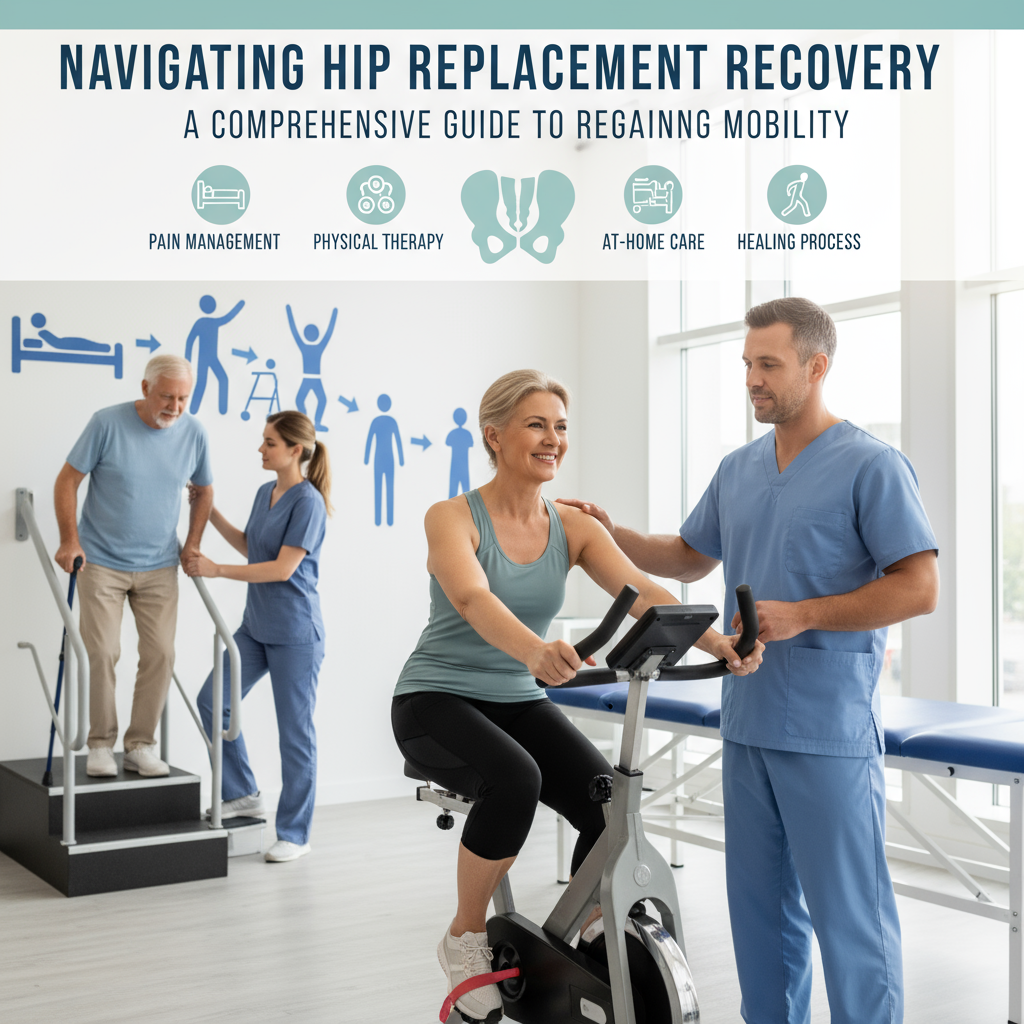
Gait training with a therapist is vital — they teach you to avoid limping, redistribute weight properly, and climb stairs safely (step-up with the good leg first; step down with the bad leg first — simple rules that prevent falls).
How do I set up my home for safe at-home recovery?
Make your home work for healing. A few practical steps I’ve recommended hundreds of patients:
– Clear trip hazards (loose rugs, electrical cords). Walkways should be wide and well-lit.
– Place frequently used items at waist height (don’t bend to reach).
– Use a firm chair with arms and a raised toilet seat if needed.
– Keep shoes with good grip nearby (no slippers) and consider a shower bench and handheld shower head for safe bathing.
– If you live alone, consider short-term in-home care or a visiting nurse for the first few days (simple, but hugely helpful).
What are red flags — when should I call the surgeon?
Watch the incision and systemic signs. Call your surgeon or go to the ER for:
– Fever over 101°F (38.3°C) with redness around the incision.
– Increasing swelling, calf pain, or sudden shortness of breath (possible DVT or PE).
– Drainage that is heavy, foul-smelling, or increasing.
– New numbness or loss of movement in the leg.
How does rehabilitation progress after the first 6 weeks?
Between 6 and 12 weeks most people get stronger and more confident. Physical therapy shifts toward:
– Progressive resistance training (weights, machines, bands).
– Balance and proprioception work (single-leg stands, wobble board if safe).
– Functional training (walking longer distances, stairs, getting in/out of cars).
By 3 months you’ll often be doing 30–45 minutes of targeted exercise 3–4 times weekly. Keep in mind: consistency beats intensity early on — the tissues adapt with repeated, correct movement.
What lifestyle factors speed or slow healing?
Some things matter more than people expect. Nutrition, sleep, and smoking status make a real difference.
– Protein helps rebuild muscle — aim for protein with each meal (eggs, legumes, dairy, lean meat, or supplements if appetite is low).
– Vitamin D and calcium support bone health; check levels if you’re deficient.
– Smoking delays wound healing — quit if you can (there’s help for that).
– Good blood sugar control speeds healing for people with diabetes (ask your team for guidance).
When can I return to work and driving?
It depends on your job. Sedentary office work: often 2–6 weeks. Physically demanding jobs: 3 months or more. Driving usually resumes once you’re off opioid pain meds and can perform an emergency stop safely — commonly 2–6 weeks for right-side surgery, sometimes a bit longer for left-side depending on your ability to control the car. Ask your surgeon for specific clearance.
What activities should I avoid long-term?
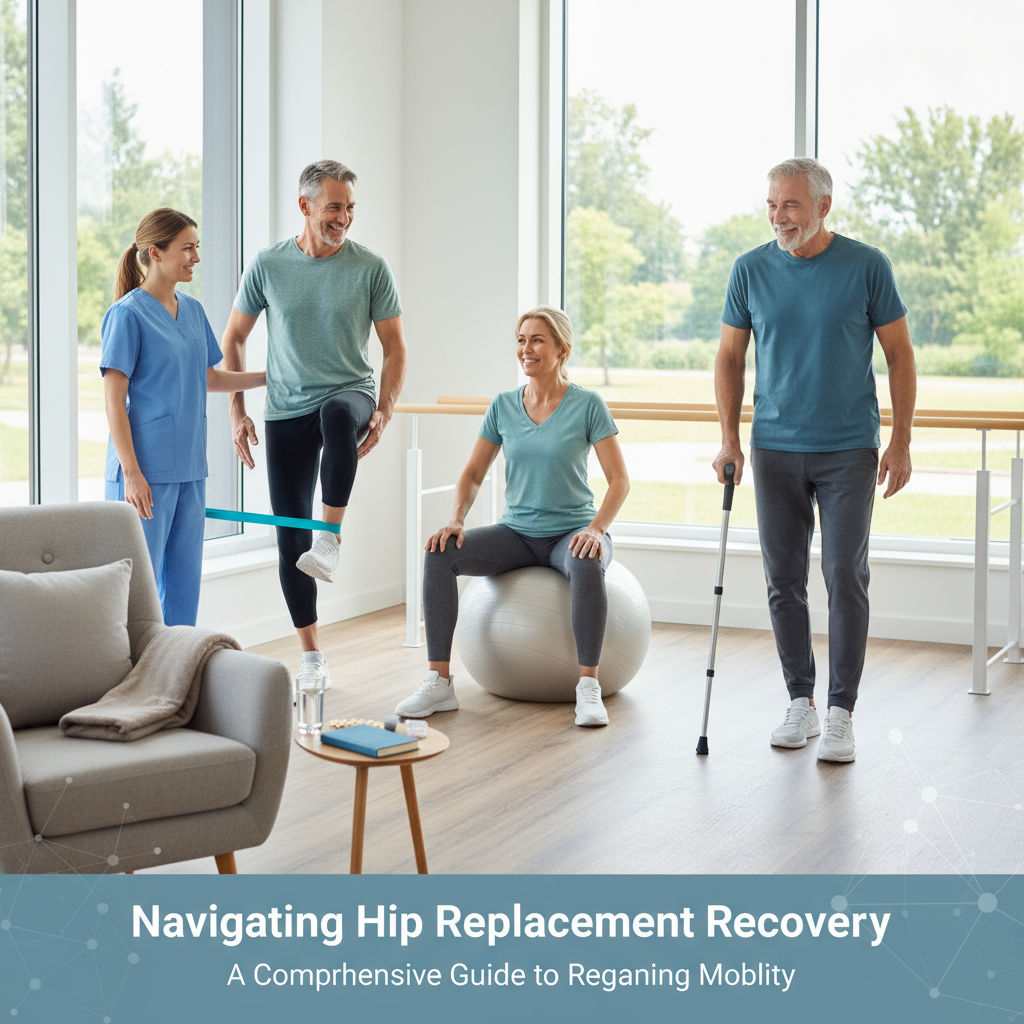
Low-impact activities like walking, swimming, and cycling are encouraged. High-impact sports (running, singles tennis, contact sports) may be discouraged because they increase wear on the implant. Think of it as choosing between a Ferrari and a bicycle — your new hip will thank you for smoother roads.
Practical tips I tell patients (things that actually help)
– Move frequently: short walks every few hours beats one long walk once daily.
– Use ice for 20 minutes after activity to reduce swelling.
– Log medications and milestones (helps you and your therapist stay on track).
– Ask for help — pride shouldn’t cost you a fall.
– Stay socially engaged; isolation slows recovery (call a friend, join a postop group — yes, they’re a thing).
When might you need additional interventions?
Sometimes pain persists beyond expected timelines. If you still have significant pain at 3 months, talk to your surgeon about imaging, infection screening, or referral to a pain specialist. In my experience, most issues are treatable with targeted therapy, injections, or minor adjustments to rehab.
Final thoughts
Recovery from hip replacement is a marathon, not a sprint. Expect ups and downs. Be patient. Keep moving, follow your physical therapy plan, manage pain smartly, and set up your home for safety. The combination of consistent rehab, good nutrition, and careful monitoring of complications gets most people back to meaningful activity — often better than before surgery.
Feeling overwhelmed? If arranging rehab, setting goals, or checking progress feels like too much, our team can build a tailored recovery plan, coordinate home PT, and monitor your healing — so you focus on getting stronger.
Frequently asked questions
Q: How long will I have pain after hip replacement? A: Most people have moderate-to-low pain by 2 weeks, with significant improvement by 6–12 weeks. Some soreness can persist up to 6 months while muscles regain strength — but constant severe pain is not normal and should be evaluated.
Q: Can I drive after hip replacement? A: Often yes, once you’re off narcotics and can perform an emergency stop. For many, that’s 2–6 weeks; check with your surgeon for individualized guidance.
Q: When can I return to exercise like swimming or cycling? A: Swimming and stationary cycling are often safe by 4–6 weeks (once the incision is healed and your surgeon says it’s okay). Start slowly and progress with your PT.
Q: How do I prevent blood clots after surgery? A: Follow your prescribed anticoagulant plan (if given), do ankle pumps, walk regularly, and avoid long periods of immobility. Seek care for calf pain, sudden shortness of breath, or chest pain.
Q: What signs suggest an infection or complication? A: Increasing redness, warmth, fever over 101°F, heavy drainage, or new severe pain — call your surgeon immediately.

CEO/Jack of all trades master of none! The Daily SEM
Father of 4 awesome kids! Trying to survive!
Don’t get bogged down by the bells and whistles out there.
His #1 online business pick for 2023 and beyond to grow your own 6/7-figure business getting results now for clients vs later. Learn more here
